

Exploring cultural perspectives on gambling practices around the world
Exploring cultural perspectives on gambling practices around the world
The Historical Roots of Gambling
Gambling is an age-old practice that has been integrated into various cultures worldwide, often reflecting the societal norms and values of different regions. The earliest records of gambling date back to ancient civilizations, including the Chinese, Greeks, and Romans. These societies used gambling not merely as a form of entertainment but as a way to engage in social interactions and cultural rituals. For instance, dice made from bone have been found in archaeological sites, indicating that games of chance were an integral part of life in early communities. Many players today continue to connect with this rich history through online platforms like avia-show.org, where they can experience exciting games that echo these traditions.
In many cultures, gambling was closely linked to religious and spiritual beliefs. The ancient Greeks played games of chance during festivals dedicated to gods, believing that these games could predict the will of the deities. Similarly, in ancient China, gambling was often associated with fortune-telling and divination, where the outcomes of games were interpreted as signs for the future. This intertwining of gambling with spirituality illustrates how deeply embedded these practices are in cultural identities.
As societies evolved, so did their gambling practices. In medieval Europe, gambling became a favored pastime among the aristocracy, leading to the creation of formalized games and rules that set the stage for modern casino culture. This historical backdrop highlights how gambling has continually adapted to fit the evolving social fabric, laying the groundwork for its current global status.
Cultural Attitudes Toward Gambling
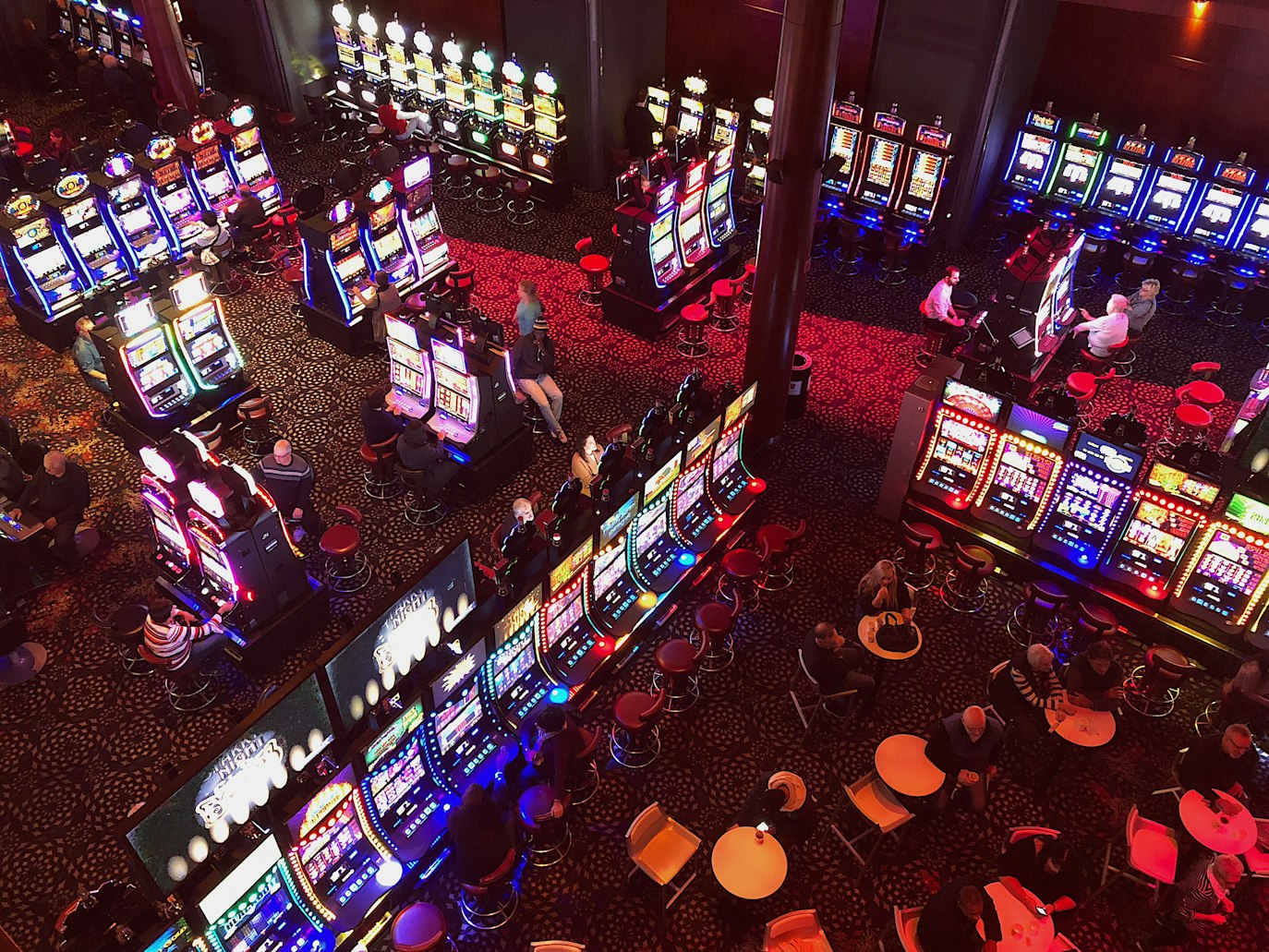
Cultural attitudes towards gambling vary dramatically from one region to another, influenced by local laws, religious beliefs, and societal norms. In some cultures, gambling is viewed as a harmless form of entertainment; in others, it is stigmatized and considered morally questionable. For example, in Las Vegas, the United States, gambling is celebrated as a central part of the entertainment industry, drawing millions of visitors each year to its lavish casinos and resorts. The bright lights and high-energy atmosphere create a sense of excitement that many people associate with fun and leisure. Celebrity casinos in this area often showcase extravagant themes and performances, enhancing the overall experience for visitors.
Conversely, in certain Islamic countries, gambling is strictly prohibited due to religious doctrine. The negative perception of gambling in these societies is rooted in the belief that it can lead to addiction and social decay. This dichotomy illustrates how cultural values shape the acceptance and regulation of gambling practices, impacting everything from legislation to community attitudes.
Interestingly, some cultures have taken a more integrated approach to gambling, incorporating it into traditional festivities. In countries like India, games like Teen Patti or Ludo are played during festivals, blending social interaction with a spirit of competition. This reflects a broader understanding of gambling as not just a solitary activity but as a communal one that fosters bonds and cultural identity.
The Role of Technology in Modern Gambling
The advent of technology has dramatically transformed gambling practices around the globe. Online gambling platforms have made it possible for individuals to engage in betting activities from the comfort of their homes, thus expanding access to gambling. Countries that previously had strict regulations on gambling are now seeing a shift, as governments adapt to the realities of digital engagement. This has led to a burgeoning online casino industry, allowing players to access a variety of games, including poker, slots, and even live dealer experiences.
Mobile technology has further revolutionized how gambling is experienced, with apps allowing users to gamble on-the-go. This convenience appeals to younger generations, who are more inclined to engage with technology in their daily lives. However, this rise in accessibility also raises concerns regarding responsible gambling, as it becomes easier for individuals to gamble excessively without the usual social checks and balances present in physical establishments.
Moreover, technology has facilitated new forms of gambling practices, such as esports betting and virtual reality casinos. These innovations not only diversify the gambling landscape but also attract a wider audience, including those who may not have previously participated in traditional gambling. This shift indicates that cultural perspectives on gambling are continuously evolving as technology shapes the experience.
Global Perspectives on Responsible Gambling
The notion of responsible gambling is gaining traction globally, with various countries implementing initiatives aimed at educating players about the risks associated with gambling. For example, in Australia, responsible gambling campaigns focus on promoting safe practices and encouraging individuals to set limits on their gambling activities. These programs often include funding for research into gambling addiction and support services for those affected by it.
In contrast, other cultures have yet to fully embrace the concept of responsible gambling. In some regions, gambling remains largely unregulated, leading to a lack of resources for problem gamblers. This disparity highlights the need for a global dialogue on responsible gambling practices, as different societies grapple with the implications of gambling in their respective contexts. Awareness and education can play a crucial role in shaping healthier attitudes toward gambling.
Moreover, cultural perceptions about gambling addiction differ widely. While some societies may view it as a personal failing, others approach it as a public health issue that requires community support. This diversity in perspective underscores the importance of culturally sensitive approaches to responsible gambling, ensuring that educational efforts resonate with the unique values and beliefs of each community.

Exploring Online Gambling Platforms
As the landscape of gambling continues to evolve, online platforms are becoming increasingly popular, offering a diverse array of games and betting options that cater to a global audience. These digital platforms not only provide players with the convenience of gambling from home, but they also create an environment that promotes global interaction. Users can connect with others from different cultures and backgrounds, sharing insights and experiences related to gambling practices.
Many online casinos have adopted unique features that enhance user engagement, such as interactive tournaments, live dealer games, and social gaming experiences. This adaptation of traditional gambling practices within a modern digital framework speaks to the versatility of gambling as a cultural phenomenon. Players can explore various game formats and styles that reflect the diverse traditions of gambling worldwide.
Additionally, the online gambling sector is continually innovating to meet the demands of tech-savvy consumers. From mobile-friendly interfaces to advanced security measures, the focus is on creating a seamless and enjoyable gaming experience. As these platforms grow in popularity, they will likely play a critical role in shaping the future of gambling practices, offering new ways for individuals to engage with this age-old pastime.